Long Island's back bays, beaches, and shallow ramps are where it happens: you start the ski in a foot of water, or gun it across a shallow flat, and the pump inhales a slug of sand and grit. Suddenly it's down on power, running hot, or grinding. Sand is abrasive and it goes everywhere the water goes — so a little prevention and a fast response save a lot of money.
What Sand Actually Damages
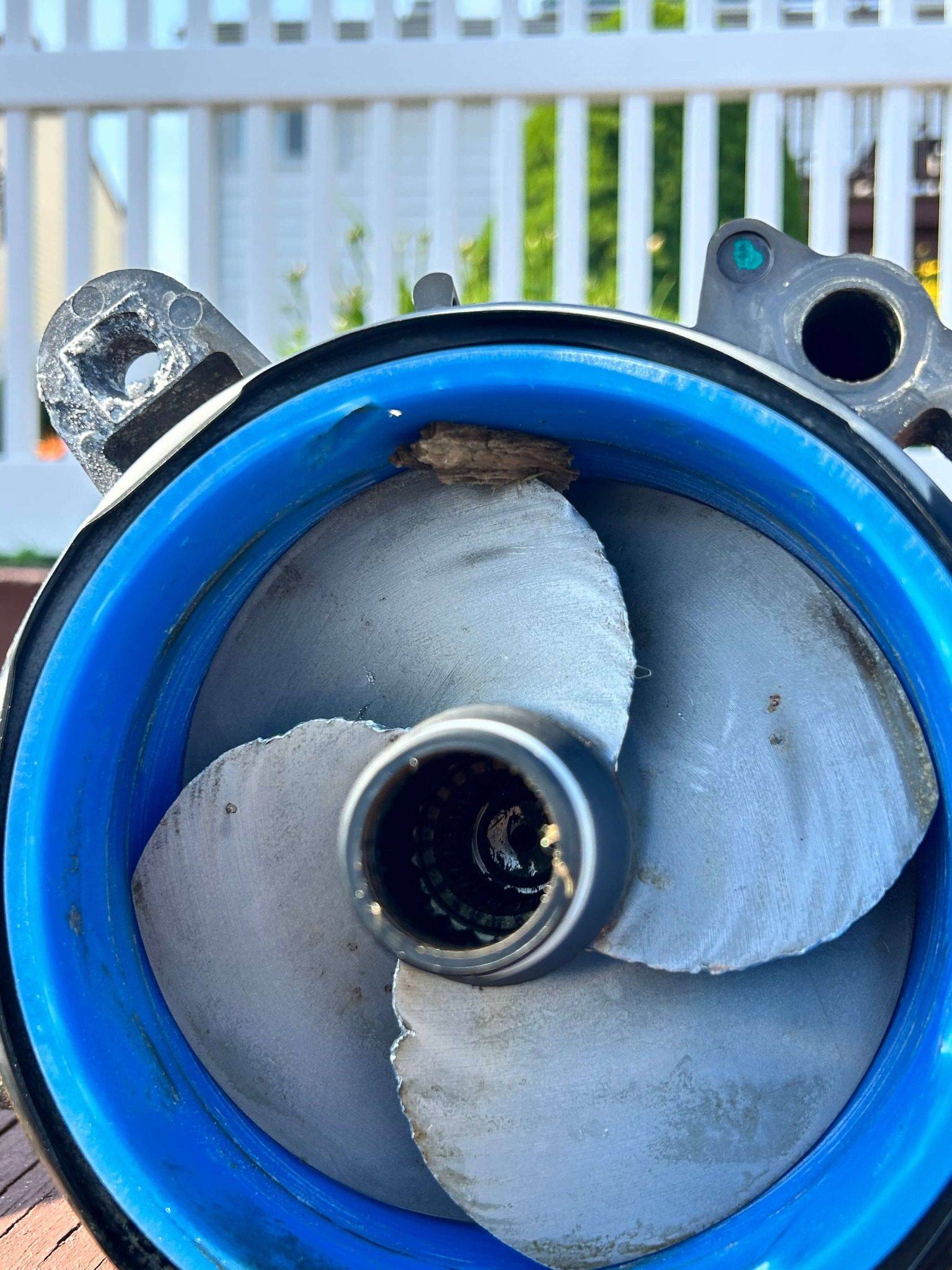
- Impeller & wear ring — sand sandblasts the blades and the ring, opening up clearances. The result is cavitation: high RPM, weak thrust, lost top speed.
- Cooling system — sand packs into the cooling passages and blocks flow, which leads straight to overheating. This is the dangerous one.
- Bearings & seals — grit works into the pump bearing and driveshaft seal, causing wear and, eventually, leaks.
What to Do Right Away
- Stop riding it hard. If it's down on power or running hot after a sandy start, back off — pushing it grinds more sand through the pump and cooling system.
- Watch the telltale stream. If it weakened or stopped, treat it as overheating and shut down.
- Don't just "run it out." Sand doesn't clear itself; it keeps abrading until it's flushed and inspected.
How to Avoid It
Start and shut down in at least knee-to-waist-deep water, never in the shallows. Idle out to deeper water before you get on the throttle, and float the ski off the trailer rather than starting it on the ramp. On Long Island's shallow South Shore flats, a foot of extra depth is the cheapest insurance there is.
The Fix
We flush the cooling system, inspect and clean the pump, and check the impeller and wear ring for sandblasting — replacing them if the clearances opened up (we carry common Sea-Doo and Yamaha sizes). Caught early, it's a straightforward mobile visit. Ridden on for weeks, it's a worn ring and possibly an overheated engine — so sooner is cheaper.
FAQ
What happens if a jet ski sucks up sand?
Sand sandblasts the impeller and wear ring (causing lost power and cavitation) and packs into the cooling passages (causing overheating). It also works into bearings and seals. The damage compounds the longer you ride on it, so it's worth checking right away.
Why does my jet ski lose power after riding in shallow water?
Sand ingestion. Grit opens up the clearance between the impeller and wear ring, so the pump spins water instead of gripping it — high RPM, weak thrust, lower top speed. It won't recover on its own; the pump needs inspection and often a new wear ring or impeller.
How do I keep my jet ski from sucking up sand?
Start, stop, and idle only in water at least knee-to-waist deep, and get out to deeper water before you throttle up. Float it off the trailer instead of starting on the ramp. On Long Island's shallow bays, that extra depth prevents the most common cause of impeller and cooling damage.
Sanded Your Pump? We Come to You
We clear sand, inspect the impeller and cooling, and get you running right — mobile, at your dock, the ramp, or your driveway on Long Island.
📞 Call / Text 516-765-1861 Request Service Online