"It runs, but it's not right" is one of the most common things we hear — and one of the most fixable. A jet ski that's lost its edge is telling you something specific; you just have to read the symptom. Here are the usual suspects, from most to least common.
Bogging or Hesitation When You Hit the Throttle
You squeeze, it stumbles, then it (maybe) picks up. This is fuel delivery nine times out of ten — stale gas from sitting, a gummed-up injector, a weak fuel pump, or a clogged filter. If the ski sat over winter with untreated fuel, start here. Fouled spark plugs cause the same feel and cost almost nothing to rule out.
Engine Revs, but the Ski Is Slow (Cavitation)
High RPMs, weak push — the classic sign the pump is spinning water instead of gripping it. That's a damaged impeller, a worn wear ring, or debris in the pump. If you've ever sucked up sand at a shallow launch or nicked a rope, this is the aftermath. It won't fix itself, and riding on it wears the ring faster.
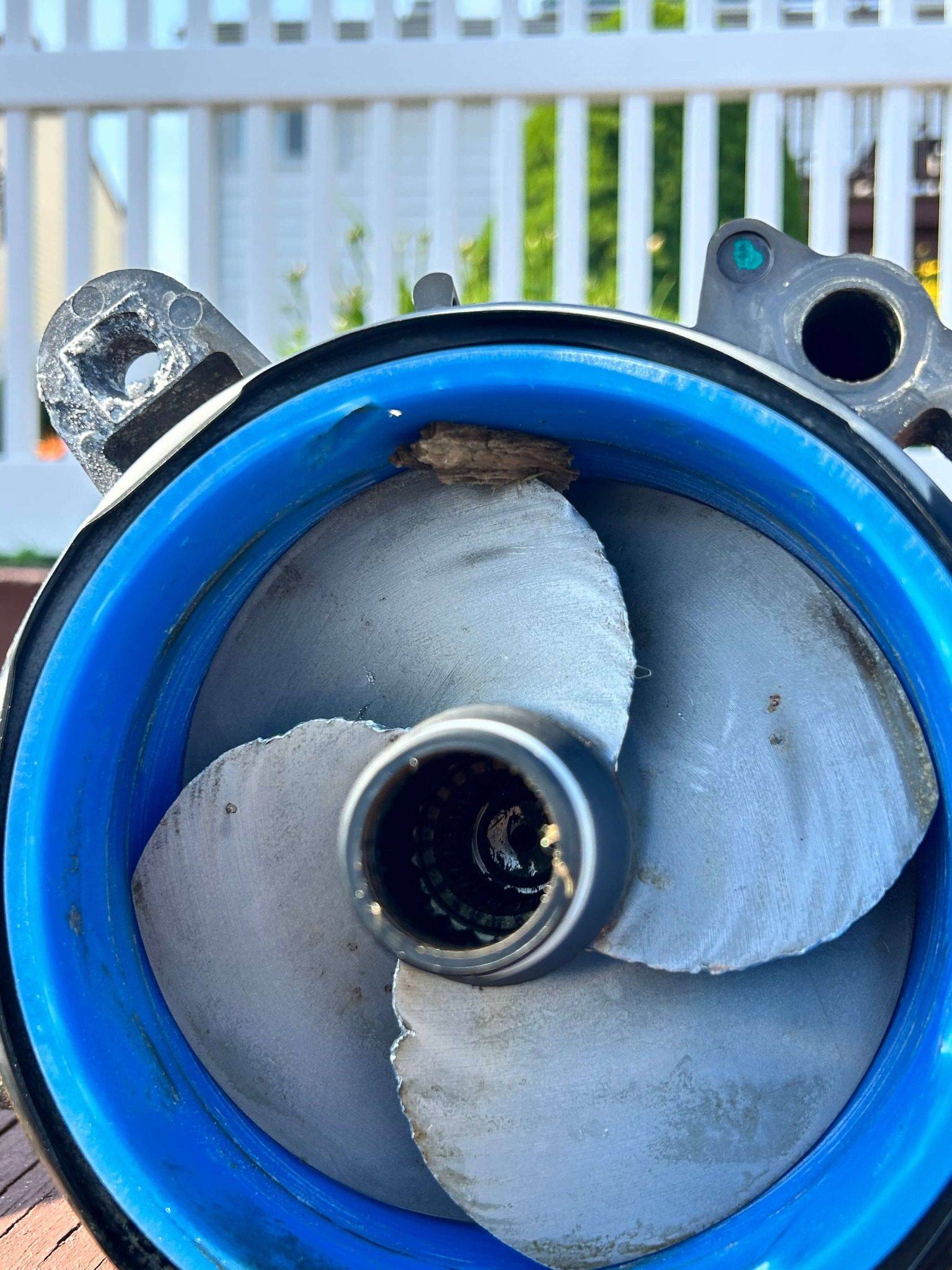
Down on Top Speed vs. Last Season
If the ski gradually lost 5–10 mph, think wear, not breakage: a tired wear ring, carbon buildup, an aging battery dragging the electronics, or a partially clogged cooling system pulling the computer into protective timing. A compression test and a pump inspection usually find it.
Surging or Cutting Out at Speed
Speeding up and slowing down on its own is usually fuel starvation (pump, filter, or vent) or an electrical fault — a failing sensor, corroded connector, or weak battery. Salt air makes electrical gremlins a Long Island specialty.
Stuck in Limp Mode
If the ski suddenly won't rev past mid-range and a warning light or beep came on, the computer has put it in limp mode to protect itself — commonly for overheating, low oil pressure, or a sensor fault. The machine is storing a fault code that says exactly why. We pull codes with manufacturer-grade scan tools right at your dock; see common jet ski problems for the other warning signs.
Why Diagnosis Beats Parts-Swapping
Every symptom above has three or four possible causes, and the parts aren't free. Guessing means paying for parts you didn't need — the most expensive way to fix a jet ski. A proper diagnosis (codes, compression, fuel pressure, pump inspection) finds the actual fault the first time. That's the whole reason we quote after diagnosing, with the diagnostic fee applying toward the repair.
FAQ
Why does my jet ski bog down when I accelerate?
Most often it's fuel delivery — stale gas, a gummed injector, a weak fuel pump, or a clogged filter. Fouled spark plugs feel identical and are cheap to rule out. If the ski sat all winter with untreated fuel, that's almost certainly your culprit.
Why is my jet ski slower than it used to be?
Gradual speed loss usually comes from pump wear (impeller or wear ring), carbon buildup, or the computer protecting the engine due to cooling or sensor issues. A compression test plus a pump inspection typically pinpoints it in one visit.
What is limp mode on a jet ski?
A self-protection mode where the computer caps your RPM because it detected a problem — commonly overheating, low oil pressure, or a sensor fault. It stores a code identifying the cause; reading that code is the fast, cheap way to know what's wrong.
Stop Guessing — Get It Diagnosed
We bring manufacturer-grade scan tools to your dock or driveway anywhere on Long Island and find the actual problem. The diagnostic fee applies toward the repair.
📞 Call / Text 516-765-1861 Request Service Online