Winterizing is the single most important thing you can do to protect your jet ski — and on Long Island, it's not optional. Our winters get cold enough to freeze any water left sitting in the cooling system, and untreated fuel breaks down over months of storage. Skip it, and you risk a cracked engine, corroded internals, or a machine that simply won't start come spring. This guide walks through exactly what a proper winterization involves, when to do it, and how to decide between DIY and a pro.
Why Winterizing Matters
A personal watercraft pumps water through its engine to stay cool. When you pull it for the season, some of that water stays behind — and if it freezes, it expands and can crack the exhaust manifold, cooling passages, or even the engine block. Those are four-figure repairs that a proper winterization prevents entirely. On top of that, modern ethanol-blended fuel absorbs moisture and gums up fuel injectors if it sits untreated. Winterizing addresses all of it at once.
Think of it like brushing your teeth. Winterizing is routine prevention — do it every season and you stay ahead of trouble. Skip it, and moisture sits inside the engine all winter. Old oil holds that water, and it quietly rusts and corrodes the internals. By spring the damage is done — and just like a cavity, there's no undoing it. That's the whole point: stay ahead of it every year, so the corrosion never gets a chance to start.
When to Winterize on Long Island
The right window is after your last ride but before the first hard freeze — for most Long Island owners that's late October into November. Don't gamble on a warm stretch in December; a single freezing night is all it takes to do damage. If you're not sure you'll get back out, it's better to winterize early than to get caught.
What a Proper Winterization Includes
A complete job is more than pouring in antifreeze. Here's what should happen:
- Fuel stabilization — top off the tank and add stabilizer so the fuel doesn't break down or attract moisture over the winter.
- Engine fogging — fogging oil coats the internal engine components to prevent corrosion while the machine sits.
- Cooling system flush & protection — flush out salt and debris, then run antifreeze through the cooling passages so nothing can freeze.
- Oil change (4-stroke) — old oil holds moisture and contaminants; fresh oil protects the engine through storage.
- Battery care — disconnect and, ideally, keep it on a maintainer so it's healthy in spring.
- Lubrication & corrosion protection — grease fittings and spray down metal components, especially important for boats used in salt water.
DIY vs. Hiring a Pro
A handy owner can do a basic winterization, and if you're comfortable with fogging, fuel stabilizer, and running antifreeze, go for it. Where people get burned is missing a step — an incomplete flush, skipping the fogging, or forgetting the battery — and discovering the problem in May when the season's already starting. If you'd rather not risk it, this is exactly the kind of job we handle: bring it to our Seaford waterfront shop for haul-out and storage, or we can come to you — either way it's done right. Read more about where we serve across Long Island.
Haul Out, Winterize & Store — All at Our Waterfront Shop
The simplest way to handle everything in one place is to bring your ski to our Seaford waterfront facility. We have waterfront haul-out right at the shop — no trailering or launch-ramp hassle — so we pull your machine straight from the water, run the full winterization, shrink wrap it, and keep it in secure winter storage through the off-season. No hauling it home, no hunting for garage space, no marina premium. Come spring, it's serviced, water-tested right off our docks, and ready to ride. One drop-off and it's all handled.
What Does Jet Ski Winterizing Cost on Long Island?
The honest answer is that it depends on your machine and what it needs — a single four-stroke runabout is different from a supercharged model, and adding shrink wrap, an oil change, or storage changes the number. Rather than post a price that may not fit your situation, we'd rather give you a straight quote over the phone in about two minutes. What we can promise: no surprise charges, and a clear number before we start. Call or text 516-765-1861 and we'll tell you exactly what your winterizing will run.
Why Long Island Salt Water Makes It Non-Negotiable
Most Long Island jet skis run in salt or brackish water — the Great South Bay, the canals, the inlets. Salt is far more corrosive than fresh water, and it sits in the cooling passages and on metal components all winter if it isn't flushed and protected. That's why a proper Long Island winterization always includes a thorough cooling-system flush and corrosion protection, not just antifreeze. Skipping it here does more damage than it would inland. It also pairs naturally with your machine's overall maintenance schedule — winter is the right time to catch small issues before spring.
Shrink Wrap & Off-Season Storage
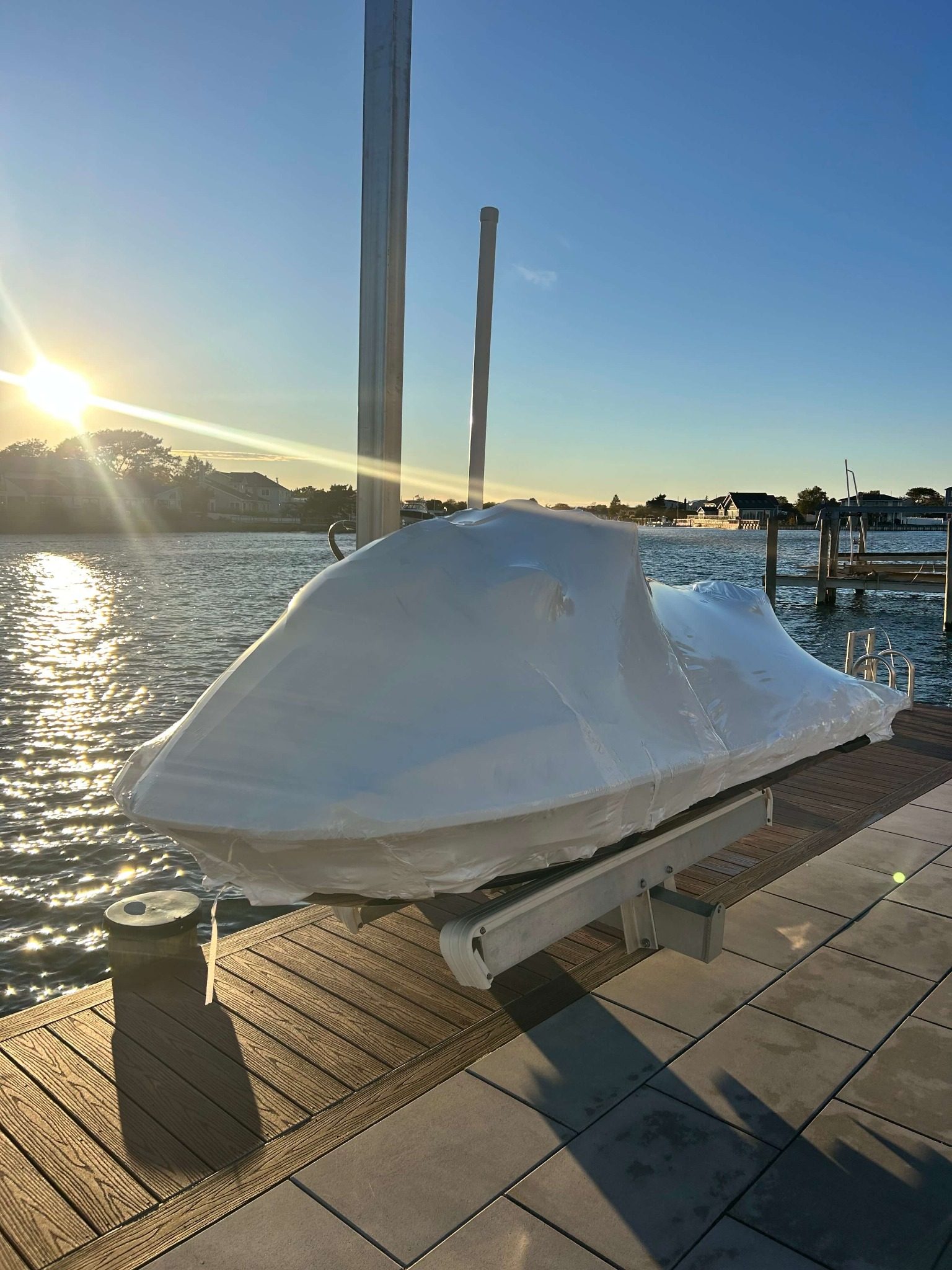
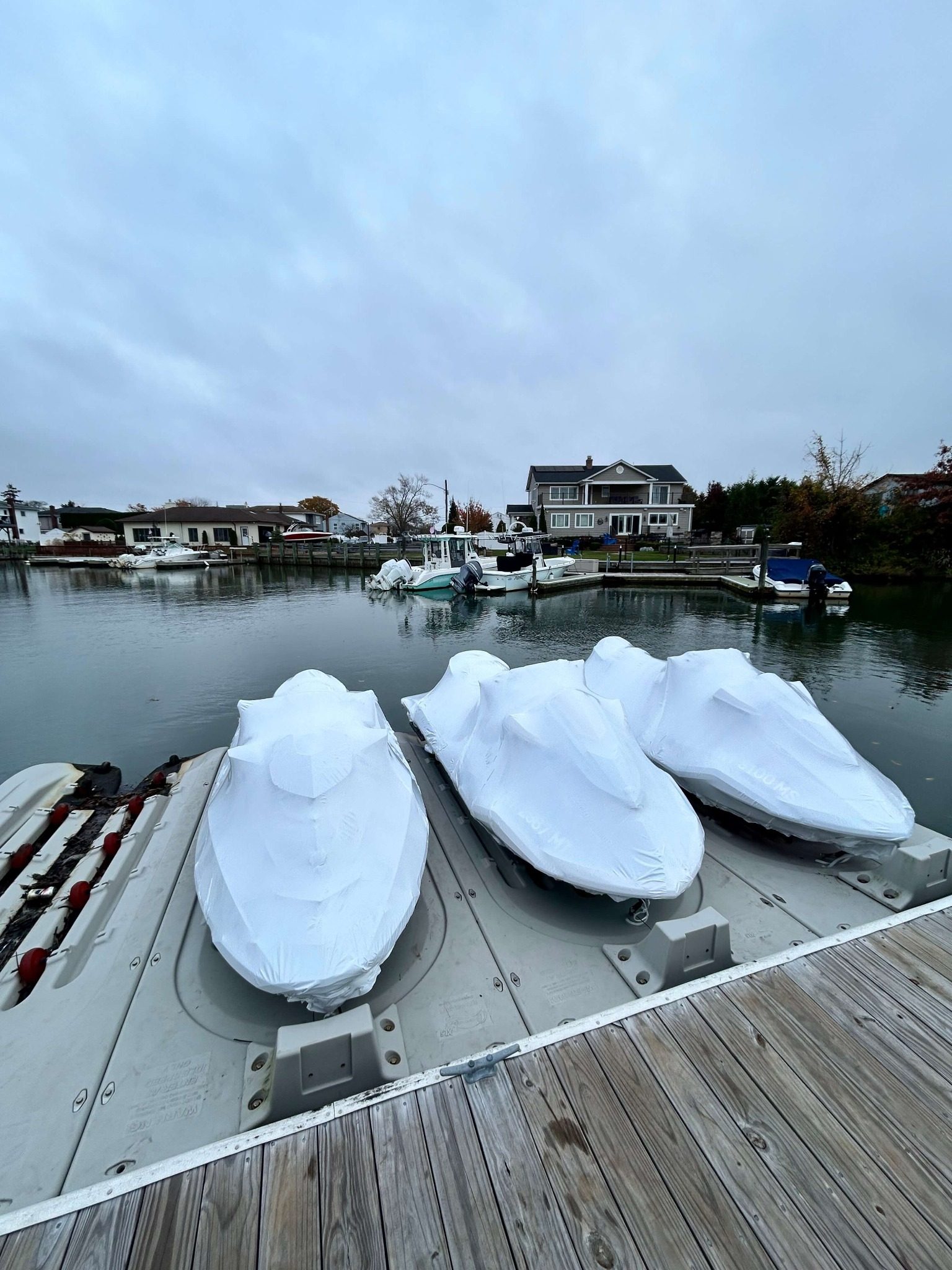
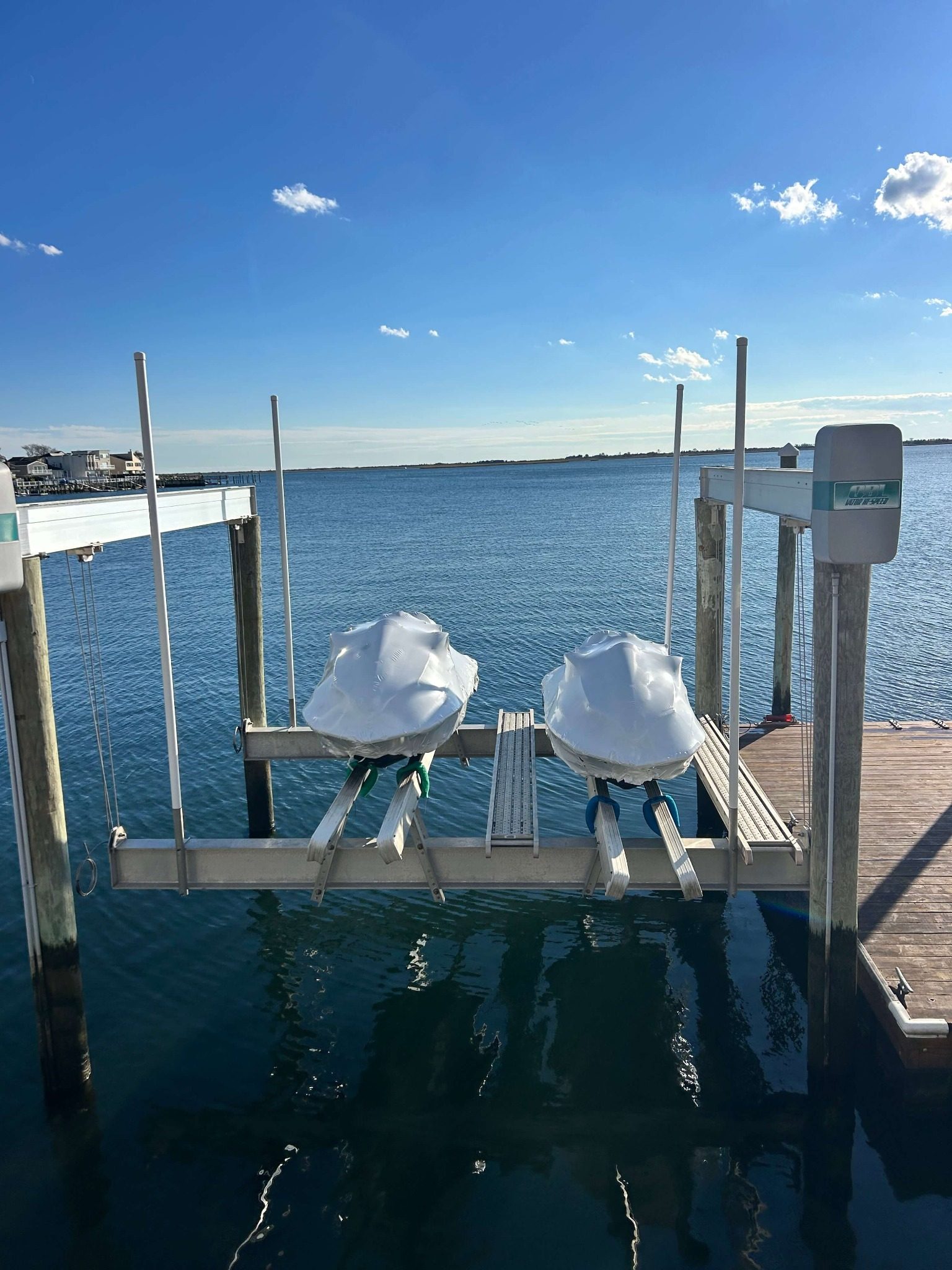
Once the machine is winterized, a properly fitted shrink wrap keeps moisture, UV, and rodents out all season — far better protection than a loose cover. If you're short on space, we also store machines at our waterfront facility in Seaford over the winter, so you don't have to find room in the garage or pay a marina premium. Winterizing, shrink wrap, and storage can all be done in one stop.
Come Spring
A machine that was winterized correctly wakes up easy: de-winterize, reconnect the battery, check the systems, and you're back on the water. A machine that wasn't is where the expensive surprises live. Winterizing isn't the exciting part of ownership — but it's what protects everything you spent on the machine in the first place.
Not Sure What Your Ski Needs? Let's Talk.
Winterizing isn't one-size-fits-all — a machine that lives in salt water needs different care than one that sits on a lift, and adding shrink wrap or storage changes things. You don't have to figure it out on your own. Tell us a little about your ski and we'll reach out to walk you through the options. No commitment, no pressure — just a straight conversation about what your machine needs before the cold sets in.
Prefer to talk now? Call or text 516-765-1861.
Winterizing FAQ
When should I winterize my jet ski on Long Island?
On Long Island, aim to winterize once you're done riding for the season and before the first hard freeze — typically late October into November. Water left in the cooling system can freeze and crack components, so don't wait for a cold snap to catch you off guard.
Can I just run antifreeze through it myself?
You can do some of it yourself, but a proper winterization is more than antifreeze — it includes fogging the engine, stabilizing the fuel, flushing and protecting the cooling system, and caring for the battery. Missing a step is what leads to spring surprises. Many owners have us handle it so it's done right the first time.
Do I need to winterize if I store it inside?
Yes. Indoor storage protects against weather, but it doesn't stop untreated fuel from breaking down, moisture from corroding internals, or a freeze in an unheated garage from cracking the cooling system. Winterizing protects the machine itself, wherever it sits.
Do you offer shrink wrap and storage too?
Yes. We can winterize, shrink wrap on your trailer or lift, and store your machine at our Seaford waterfront facility for the off-season — all in one stop.
How much does it cost to winterize a jet ski on Long Island?
It depends on your machine and whether you add shrink wrap, an oil change, or storage — a single runabout and a supercharged model aren't the same job. Rather than post a flat price that may not fit, we give you a firm quote in about two minutes by phone, with no surprise charges. Call or text 516-765-1861.
How long does jet ski winterizing take?
The winterization itself is usually under an hour per machine. Adding shrink wrap or storage takes a little longer, but it's a same-visit job — you're not without your ski for weeks like a shop backlog.
What happens if I don't winterize my jet ski?
The two big risks are freeze damage and fuel breakdown. Water left in the cooling system can freeze, expand, and crack the exhaust manifold or engine block — a four-figure repair. Untreated ethanol fuel absorbs moisture and gums up the injectors. Winterizing prevents both.
Ready to Winterize — or Just Have Questions?
Whether you know exactly what you need or just want to talk it through, we're easy to reach. Tell us about your ski and we'll follow up — or call and we'll pick up. Book before the first freeze.
📞 Call / Text 516-765-1861 ❄️ Ask About Winterizing